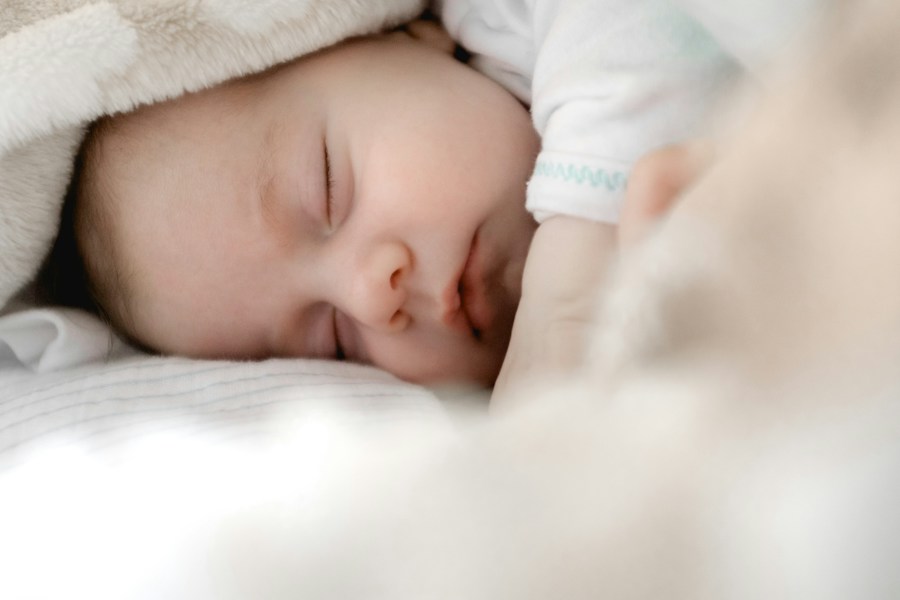
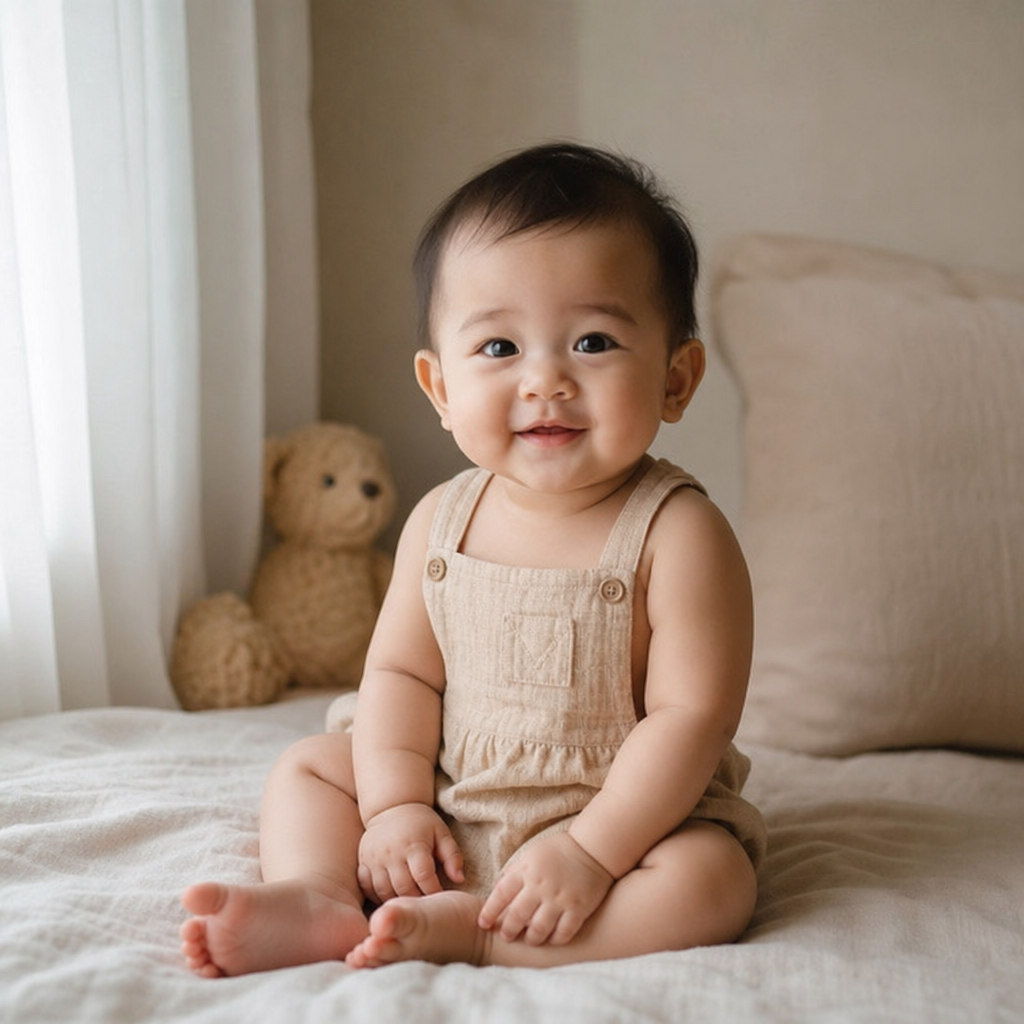
The best baby photos happen when soft light and a calm baby meet at the same time. This guide explains the best times of day to photograph babies, how to read natural light indoors and outside, and how to plan around naps, feeding, and temperament. Use it as a practical starting point, then adjust for your baby’s own rhythm.
What is the best time of day to photograph babies?
The best time of day to photograph babies is usually shortly after a nap and feeding, when your baby is comfortable, alert, and not yet overstimulated. For lighting, that often means early morning, mid-morning near a window, or late afternoon when the sun is softer. If you can only choose one priority, choose mood first and lighting second, because a relaxed expression will always matter more than a technically perfect setup.
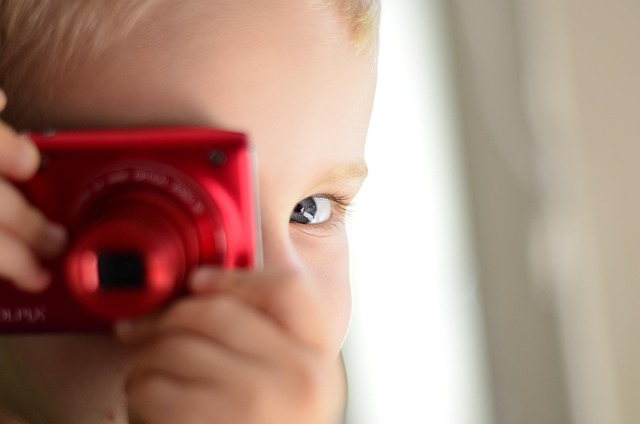
A sleepy newborn may photograph beautifully in the morning after a feed, while an older baby may be most expressive after their first nap. Watch for your baby’s natural “happy window,” then build the session around that. The best baby photography tips are often simple: keep the room warm, reduce distractions, prepare everything before you begin, and stop before your baby gets tired.
Baby photo lighting changes throughout the day
Baby photo lighting can shift dramatically from hour to hour, even in the same room. Soft, indirect light is usually the most flattering because it smooths shadows, keeps skin tones gentle, and helps babies stay comfortable without squinting. Harsh overhead light or direct sun can create strong shadows and bright patches, so the goal is to position your baby where the light feels even and calm.
Early morning creates gentle, peaceful images
Early morning is one of the best times of day to photograph babies because the light is often soft and the mood is naturally quiet. If your baby wakes happy, this is a lovely time for cozy crib photos, parent snuggles, or simple portraits near a window. Keep the setup minimal so you can begin quickly before that calm window passes.
For indoor portraits, place your baby near a window but out of direct sunlight. Turn off mixed indoor lighting if it makes the color look yellow or green. If you want to improve your setup, this guide to mastering natural window light for baby photos at home is a helpful next step.
Mid-morning works well for alert expressions
Mid-morning is often ideal for babies who need a little time to wake, feed, and settle. The light can still be soft indoors, especially through sheer curtains, and many babies are more expressive after their first routine of the day. This is a great time for tummy time photos, milestone images, and gentle interaction shots.
If your background feels cluttered, simplify the frame before you start. A blanket, plain wall, or soft fabric backdrop can make the photo feel intentional without requiring a studio. For easy ideas, explore these DIY indoor backgrounds for baby photos.
Midday needs more care
Midday can be challenging because sunlight is higher and stronger. Indoors, it may pour through windows in bright blocks. Outdoors, it can cause squinting, shiny skin, and harsh shadows under the eyes and nose. That does not mean midday is impossible, but it does mean you should look for open shade, filtered window light, or a covered porch.
If midday is your only option, keep the session short and simple. Move your baby away from direct beams of sunlight, use a light-colored blanket to brighten the scene, and avoid placing the baby under patchy tree shade that creates spots across the face.
Late afternoon and golden hour add warmth
Late afternoon can be beautiful for outdoor baby portraits because the light becomes warmer and more directional. The “golden hour” before sunset is especially flattering, but it may overlap with dinner, bath, or bedtime. If your baby is usually tired then, try a shorter outdoor session earlier in the afternoon instead.
For outdoor photos, bring comfort items, dress in layers, and choose a safe, calm location. If you are planning a special entry or seasonal portrait, read these tips for taking your baby contest entry outside before you go.
How should you plan around baby mood?
Plan the session around the time your baby is typically fed, rested, and curious. A calm baby will give you softer eye contact, sweeter smiles, and more natural movement, while an overtired baby may need cuddles instead of posing. Treat the schedule as flexible: if your baby is not in the mood, pause, reset, or try again later.
A practical timing checklist can help:
- Choose a time 15 to 30 minutes after feeding, when your baby is settled but not too sleepy.
- Prepare outfits, blankets, wipes, and props before bringing your baby into the setup.
- Keep the room comfortably warm, especially for newborn photos or bare feet.
- Start with the most important photo first, before your baby loses patience.
- Let expressions unfold naturally instead of forcing constant smiles.
- Stop when your baby shows tired cues, even if you planned a longer session.
Mood also shapes the style of photos you choose. Some babies love interaction and movement, while others photograph best during quiet cuddles or simple floor play. If you are deciding between a structured setup and a more relaxed approach, this article on candid vs. posed baby photos can help you choose the right direction.
Simple setup choices make the timing easier
Once you know the best time of day to photograph babies in your home, make the setup repeatable. Choose one or two reliable spots with soft light, such as a bedroom window, nursery corner, or living room floor. When you do not have to search for light every time, you can respond quickly when your baby is in a great mood.
Keep styling simple and safe. A textured blanket, neutral onesie, favorite toy, or seasonal item may be enough to tell the story without overwhelming your baby. If you want to add personality, browse these ideas for baby photoshoot props and choose items that are soft, stable, and age-appropriate.
Here is a quick timing guide to keep in mind:
- Newborns: Try morning or early afternoon after feeding, when they are warm and sleepy.
- Three to six months: Try mid-morning after a nap for eye contact and tummy time.
- Six to nine months: Try after the first or second nap, when sitting practice feels fun.
- Older babies: Try late morning or late afternoon, depending on energy and bedtime.
A calm session beats a perfect schedule
The best times of day to photograph babies are the times when light is soft and your baby feels secure. Early morning, mid-morning, and late afternoon are usually the easiest windows, but every baby has a different rhythm. Start with mood, shape the light around it, and keep the session short, safe, and playful.
With a little preparation, baby photo lighting becomes less intimidating and more intuitive. Watch where soft light falls in your home, notice when your baby is happiest, and build your photos around those natural patterns. That is how everyday moments turn into images that feel warm, personal, and real.