Newborn Photo Safety at Home: A Parent’s Checklist for the First Weeks
A parent's checklist for photographing a newborn safely at home: support, warmth, safe surfaces, short sessions, a simple window-light setup and what to skip.

Rahul Thakur writes the parenting and photography guides on VoteMyBaby, covering simple baby photo tips, safe photoshoot ideas and how the free baby photo contest works.
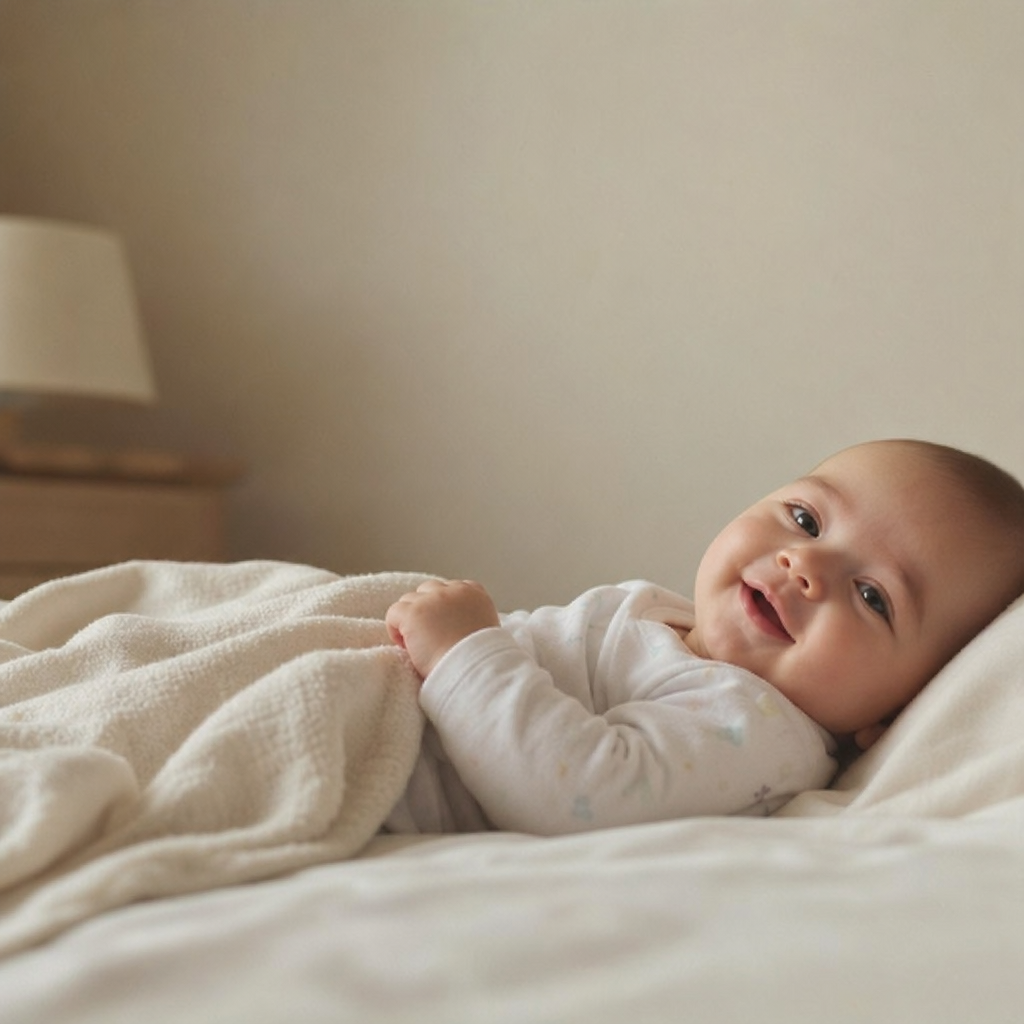
A newborn photo is one of the most treasured pictures you’ll ever take, and one of the easiest to get wrong if you put the picture before the baby. You don’t need elaborate setups. Most lovely newborn photos are taken in ordinary light, on a firm surface, with a parent close by. This guide covers the safety basics for the first few weeks, a simple setup, and what to skip.
It isn’t medical advice. If you have questions about your baby’s health, ask your paediatrician or midwife.
Safety first: the rules that matter most
- Support the head and neck. Newborns can’t hold their heads up. Always support the head when lifting, handing over or positioning your baby.
- Never leave your baby alone on a raised surface. A bed, sofa or table is fine only while an adult’s hands are on the baby. Even tiny babies can wriggle or startle.
- Keep the airway clear. Don’t cover the face with blankets or props, and don’t let the chin press against the chest.
- Skip risky “poses”. Photos of babies hanging, balancing in bowls or propped in baskets are usually carefully assembled composite images by professionals. Don’t try them at home.
- Keep it short. Newborns tire quickly, so plan ten to fifteen minutes of shooting with breaks for feeding and cuddles.
- Wash your hands and ask anyone who handles the baby to do the same, and avoid photo sessions when someone around is unwell.
Keep your baby warm and comfortable
Newborns lose heat quickly, and many photos involve undressing for a nappy or swaddle shot. Warm the room first and keep a blanket or spare layer within reach. If your baby’s hands or feet feel cold, or they start fussing, stop, dress them and feed or cuddle before trying again. Watch for signs of overheating too, such as flushed skin or sweating, especially under lights or in warm weather.
A simple setup that works
You can take good newborn photos with a phone, a window and a plain blanket.
- Pick the best time. Right after a feed, when your baby is full and drowsy, is often easiest. See the best times of day to photograph babies.
- Use window light. Soft daylight from a window is flattering and gentle. Our window light guide shows how.
- Choose a firm, flat surface. A bed or a floor mat with a folded blanket on top works well. Avoid soft pillows or deep, squishy cushions.
- Keep the background plain. A clean sheet or blanket looks calm and avoids clutter. These DIY indoor backgrounds are easy options.
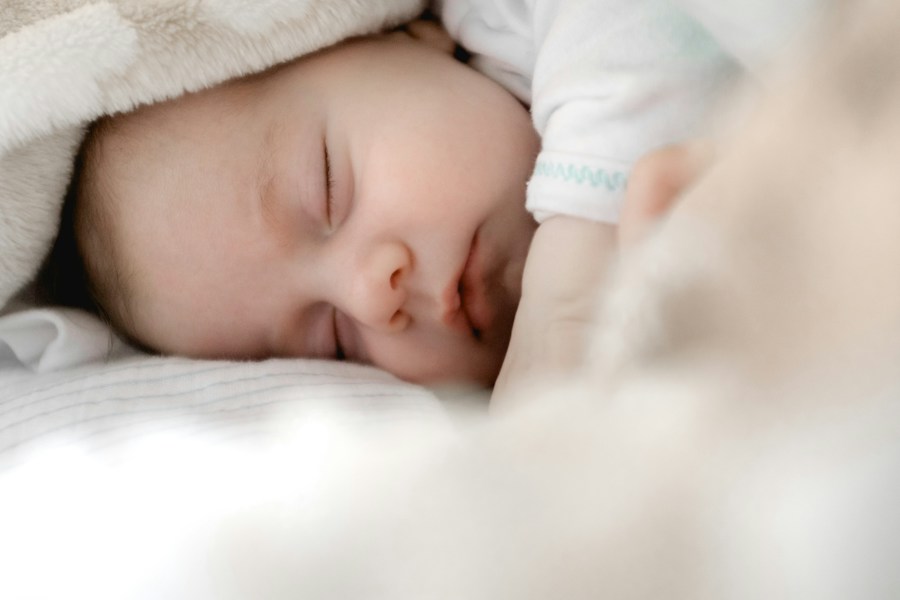
- Shoot from above or at baby’s level. Close-ups of tiny hands, feet and sleeping faces tell the story without any posing.
What about flash, props and sleeping photos?
Flash. A normal camera or phone flash is generally not thought to harm a baby’s eyes, but a sudden bright burst can startle them. Soft window light is gentler and gives nicer results, so it’s the easier choice.
Props. Keep them minimal: a soft blanket, a knitted hat, a small toy beside the baby. Anything near the face, any loose threads and any small parts can be a hazard. Our safe props guide goes into more detail.
Sleeping photos. Take them while your baby is already asleep on their back in a safe place, and do not move them into a posed position. A photo is never a reason to put a baby to sleep on their tummy or side, on a soft surface or with pillows and toys nearby. For safe sleep guidance, check the advice from your paediatrician or national health service.
Sharing newborn photos
You don’t have to share anything publicly. If you do, check what the photo reveals: the hospital name, your address, a birth date or a wristband with details. Our privacy checklist lists what to leave out, and our guide to backing up and organising baby photos will help you keep the originals safe.
Quick checklist
- The room is warm and the surface is firm and flat.
- An adult’s hands are on the baby at all times.
- The face and airway are clear.
- The session is short and follows a feed.
- No risky poses, no heavy props, no flash needed.
- You’ve checked what the photo shows before sharing.
When your baby is a little older and you’d like to enter a contest, VoteMyBaby is open to children aged 0 to 10. Read the Official Contest Rules first.
Ready to celebrate your little star?
Submit your baby's photo to our free one-month contest. The Top 3 receive Gift Hampers with Gold, Silver or Bronze Certificates; Ranks 4–5 receive Ranked Certificates with Amazon Pay Gift Cards; Ranks 6–10 receive Special Rank Certifications; Rank 11+ receives a Basic Rank Certification.